
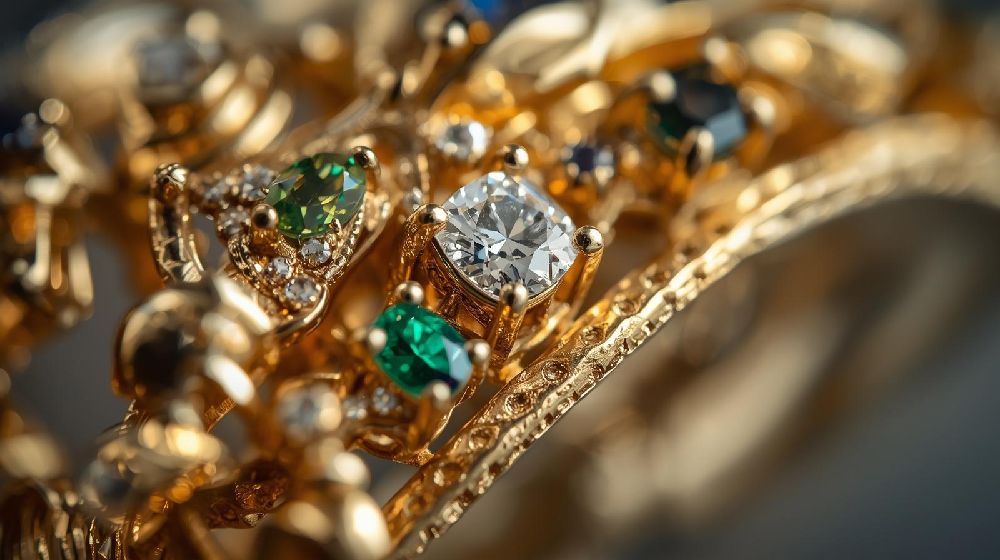
 Gold jewelry becomes even more beautiful when it is combined with sparkling gemstones. The process of placing and securing gemstones into jewelry is known as stone setting. This is one of the most important techniques in jewelry making because it ensures that the gemstones are both secure and visually appealing.
Different stone setting techniques are used depending on the jewelry design, the type of gemstone, and the desired style. Understanding these techniques can help you appreciate the craftsmanship behind every piece of gemstone jewelry.
What Is Stone Setting?
Stone setting is the process of carefully placing gemstones into metal frameworks so that they remain secure while enhancing the overall design of the jewelry. Skilled jewelers use specialized tools and techniques to ensure that the stones are firmly held in place while allowing maximum light to reflect from the gemstones.
A well-executed stone setting improves the durability, elegance, and brilliance of the jewelry piece.
Popular Stone Setting Techniques in Gold Jewelry
1. Prong Setting
Prong setting is one of the most commonly used stone setting techniques in jewelry. In this method, small metal claws called prongs hold the gemstone in place.
These prongs gently grip the gemstone, allowing more light to enter the stone and increase its sparkle. This setting is widely used for rings, earrings, and pendants.
Advantages:
-
Enhances the brilliance of the gemstone
-
Shows more of the stone’s surface
-
Elegant and classic design
2. Bezel Setting
Bezel setting surrounds the gemstone with a thin metal rim that holds it securely in place. The metal edge wraps around the stone to protect it from damage.
This technique is known for its durability and sleek appearance.
Advantages:
-
Strong protection for gemstones
-
Smooth and modern design
-
Ideal for active lifestyles
3. Pave Setting
Pave setting involves placing many small gemstones closely together across the surface of the jewelry. Tiny metal beads hold the stones in place, creating the appearance of a continuous sparkle.
This technique is often used in rings, bracelets, and luxury jewelry designs.
Advantages:
-
Creates a dazzling and luxurious look
-
Enhances overall brilliance
-
Ideal for decorative designs
4. Channel Setting
In channel setting, gemstones are placed in a row between two parallel metal walls. The stones are secured within the channel without the need for prongs.
This technique is commonly used in wedding bands and bracelets.
Advantages:
-
Smooth and secure design
-
Protects the edges of gemstones
-
Elegant and modern appearance
5. Flush Setting
Flush setting, also known as gypsy setting, involves embedding the gemstone directly into the metal surface. The stone sits level with the metal, creating a clean and minimalist look.
Advantages:
-
Highly secure stone placement
-
Simple and modern style
-
Comfortable for everyday wear
The Importance of Skilled Craftsmanship
Stone setting requires precision and expertise. Jewelers must carefully position each gemstone to ensure it remains secure while maintaining the beauty of the design. A poorly set stone can loosen over time, while a properly set stone can last for many years.
This is why experienced craftsmen play an essential role in creating high-quality gemstone jewelry.
Conclusion
Stone setting techniques are a vital part of gold jewelry design. Whether it is the elegance of prong settings, the protection of bezel settings, or the brilliance of pave designs, each technique contributes to the beauty and durability of the jewelry piece.
Understanding these techniques allows jewelry lovers to better appreciate the artistry and craftsmanship behind gemstone jewelry. The right stone setting not only secures the gemstone but also enhances the overall design, making the jewelry truly stunning.