 The
The

Saturday, March 14, 2026
The
Friday, March 13, 2026
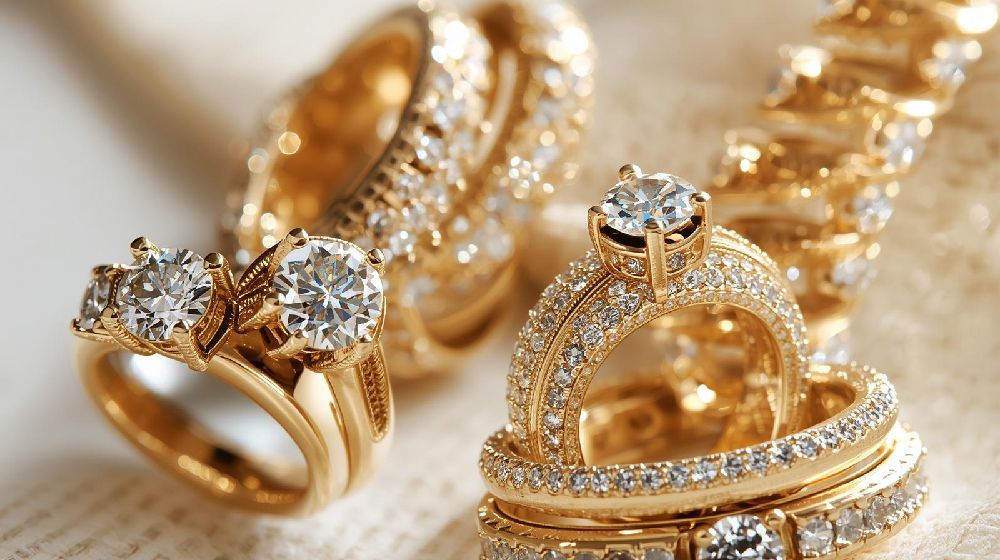 Luxury gold jewelry is
Thursday, March 5, 2026
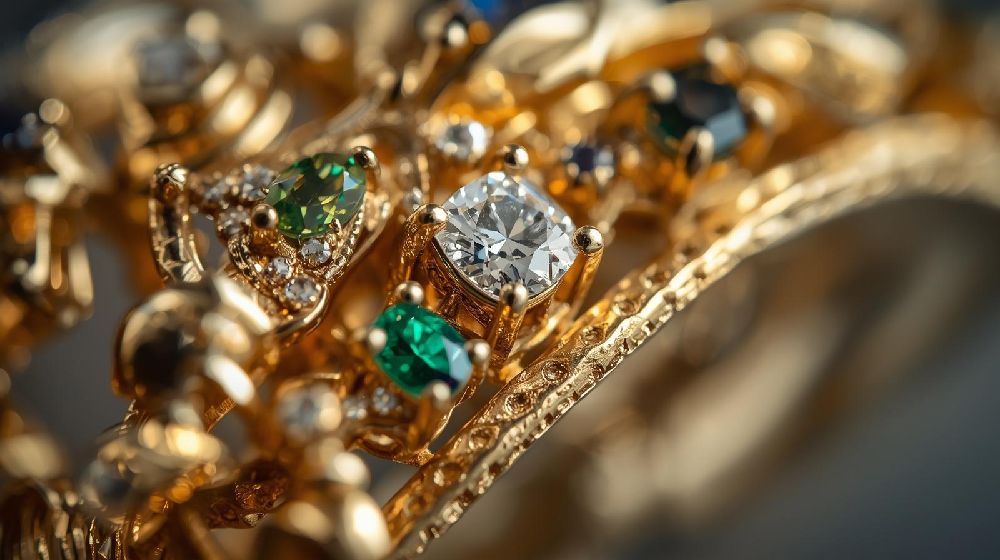 Gold jewelry becomes even more beautiful when it is combined with sparkling gemstones. The process of placing and securing gemstones into jewelry is known as stone setting. This is one of the most important techniques in jewelry making because it ensures that the gemstones are both secure and visually appealing.
Wednesday, March 4, 2026
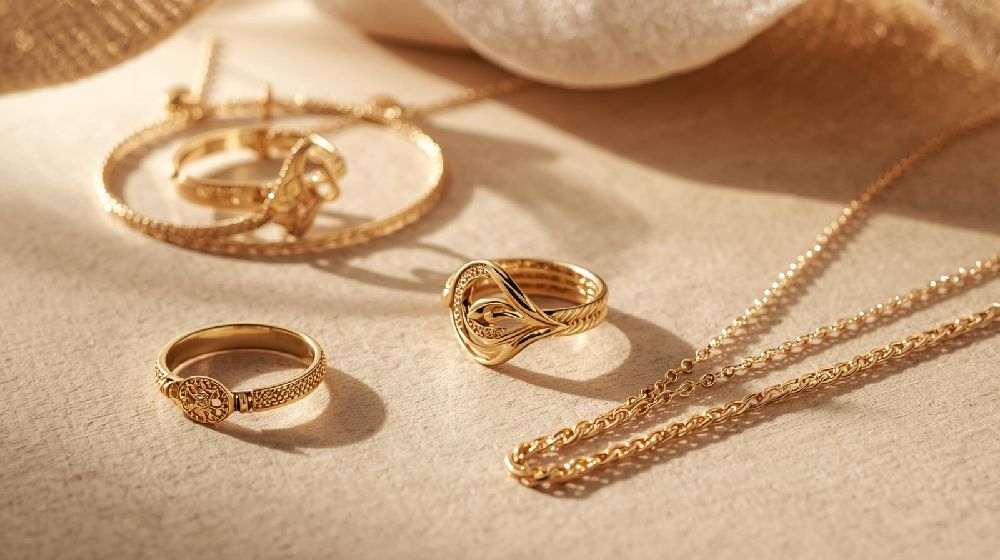 Gold jewelry is no longer reserved for weddings, festivals, or special occasions. Today’s consumers want gold pieces they can wear daily — to work, travel, social gatherings, and even casual outings. This shift has led to the rise of durable everyday gold jewelry, a category that combines elegance with long-term performance.
Monday, March 2, 2026
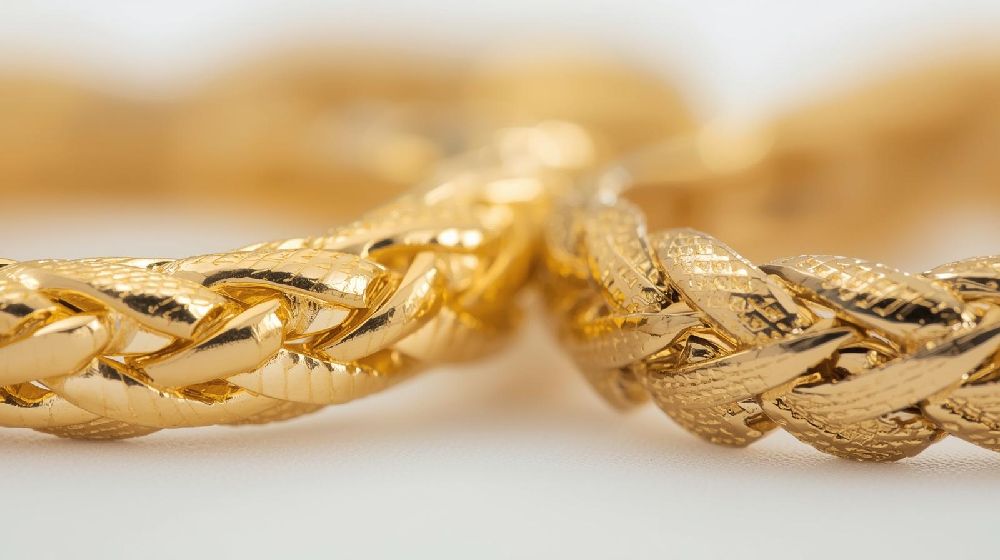
In today’s global jewelry market, retailers and private label brands often face an important sourcing decision: Gold-Filled or Solid Gold?
Saturday, February 28, 2026
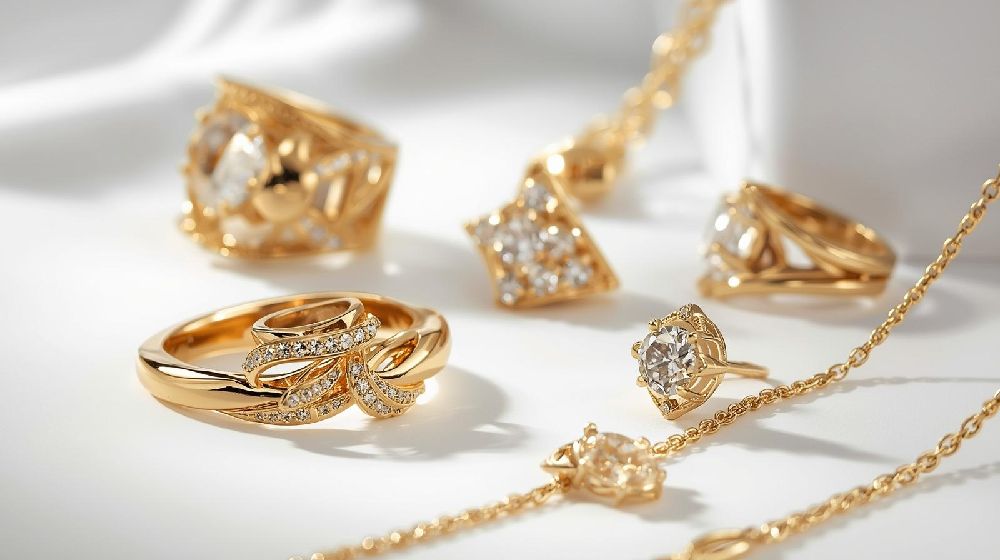 In the evolving world of fine jewelry, finish matters just as much as design. One of the most important surface enhancement techniques used in modern jewelry manufacturing is rhodium plating. It enhances shine, improves durability, and gives gold jewelry a refined, premium appearance.
Friday, February 27, 2026
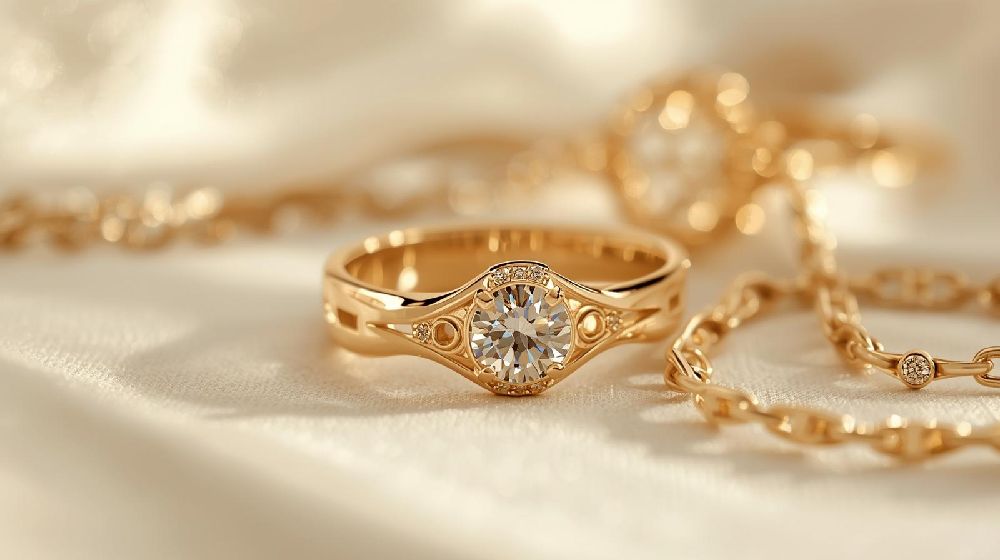 In today’s evolving gold jewelry market, customers seek designs that are grand in appearance yet comfortable to wear. Heavy-looking pieces are admired, but practicality and affordability are equally important. This is where hollow gold jewelry manufacturing becomes a game-changing technique.
Thursday, February 26, 2026
.jpg) In today’s global gold jewelry industry, quality alone is no longer enough. Buyers, distributors, and retailers increasingly value transparency — knowing exactly how, where, and under what controls their jewelry is manufactured.
In today’s global gold jewelry industry, quality alone is no longer enough. Buyers, distributors, and retailers increasingly value transparency — knowing exactly how, where, and under what controls their jewelry is manufactured.
Wednesday, February 25, 2026
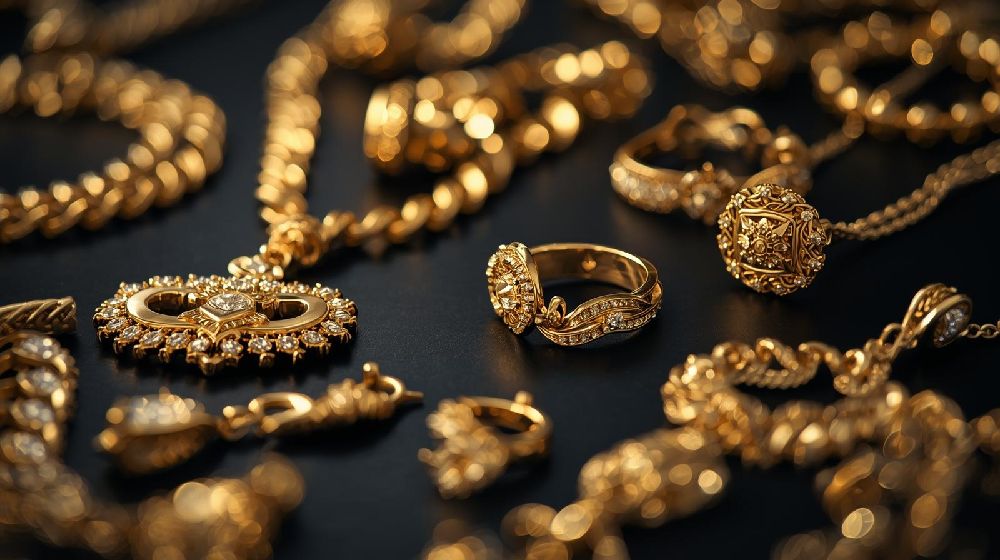 In the competitive international gold market, premium quality is not enough. Global buyers — wholesalers, distributors, and luxury retailers — demand more than aesthetics. They want reliability, consistency, and accountability. This is why process-driven gold manufacturers stand out and become the preferred partners for large-scale, repeat orders.
Tuesday, February 24, 2026
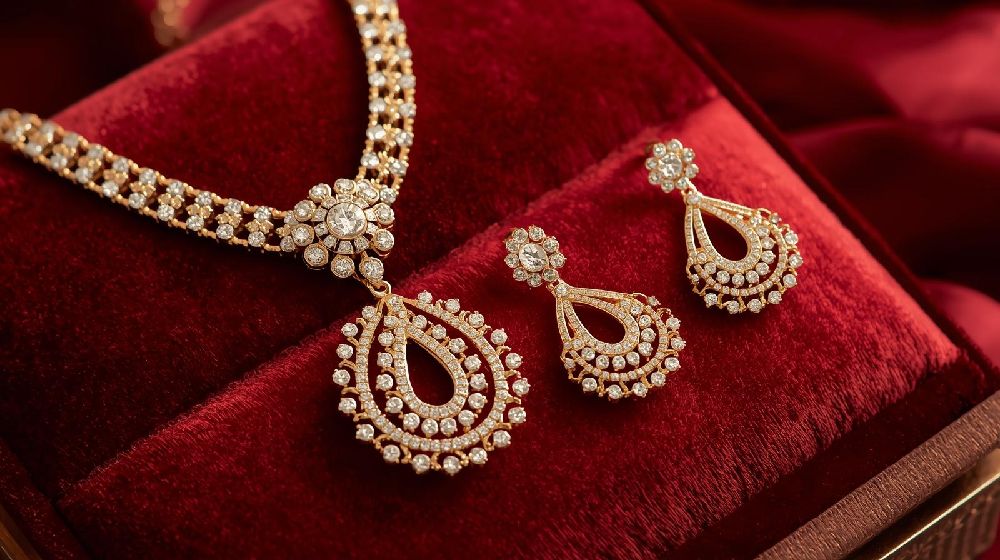 In the world of 22K gold jewelry, beauty alone does not define a premium brand. True excellence is built on process discipline — structured systems, consistent quality control, precise engineering, and repeatable production standards.
Blog archive